Springboard to DCS Glossary
Hello, my name is Maria Beylouneh. I'm in the Springboard to DCS program because I had to take some prerequisites course before switching into The Health Science program. This program allow students who are not ensuring what program to choose to take more time to discover what they like the most or to the students who haven't finished the prerequisite courses they need for admission to another program to finish them which is my case. I made this glossary to explore with people more about the terms related to the Springboard to DCS and the Health Science programs.
- prerequisite
- Adjective
- a prerequisite can be anything that must be accomplished or acquired before something else can be done.
- Example: Mathematics, Physics and Chemistry are a prerequisite courses to enter the Health Science program.
- fr: prérequis

- Biology
- noun
- Biology is a branch of science that deals with living organisms and their vital processes.
- Example: The different fields of biology can each be thought of as the study of one type of organism.
- fr: Biologie

- Injury
- noun
- the fact of being injured; harm or damage physically or emotionally
- Example: all escaped without serious injury
- fr: blessure

- Physics
- noun
- the branch of science concerned with the nature and properties of matter and energy includes mechanics, heat, light and other radiation, sound, electricity, magnetism, and the structure of atoms
- Example: the physical properties and phenomena of something
- fr: Physiques

- Chemistry
- noun
- the branch of science that deals with the identification of the substances of which matter is composed
- Example: the chemical composition and properties of a substance or body
- fr: chimie
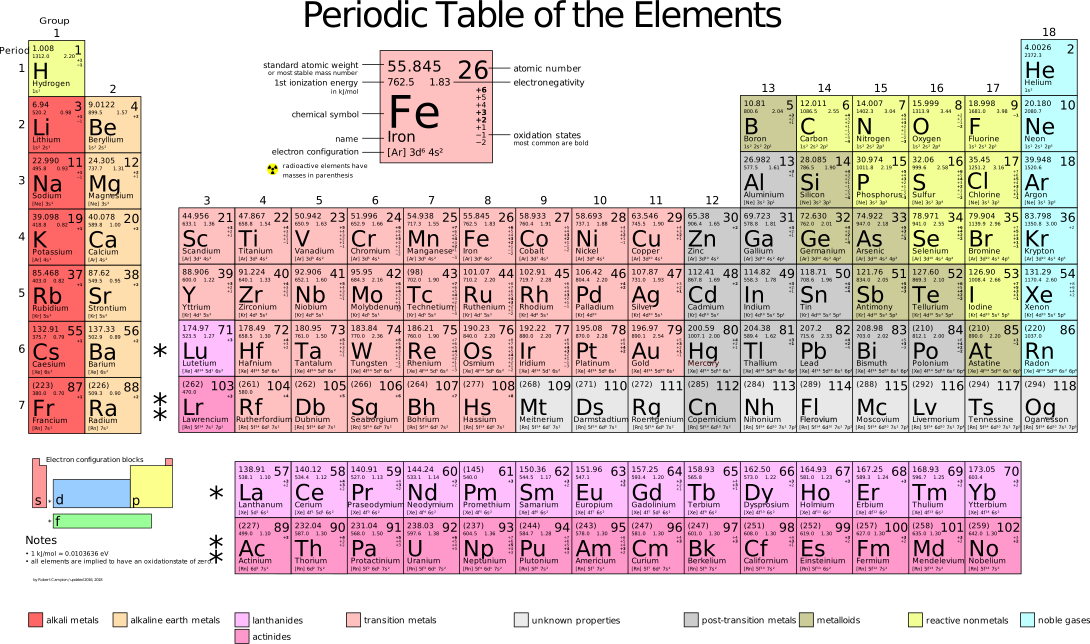
- Mathematics
- noun
- the abstract science of number, quantity, and space. Mathematics may be studied in its own right ( pure mathematics ), or as it is applied to other disciplines such as physics and engineering ( applied mathematics )
- Example: the mathematical aspects of something
- fr: mathématiques

- virus
- noun
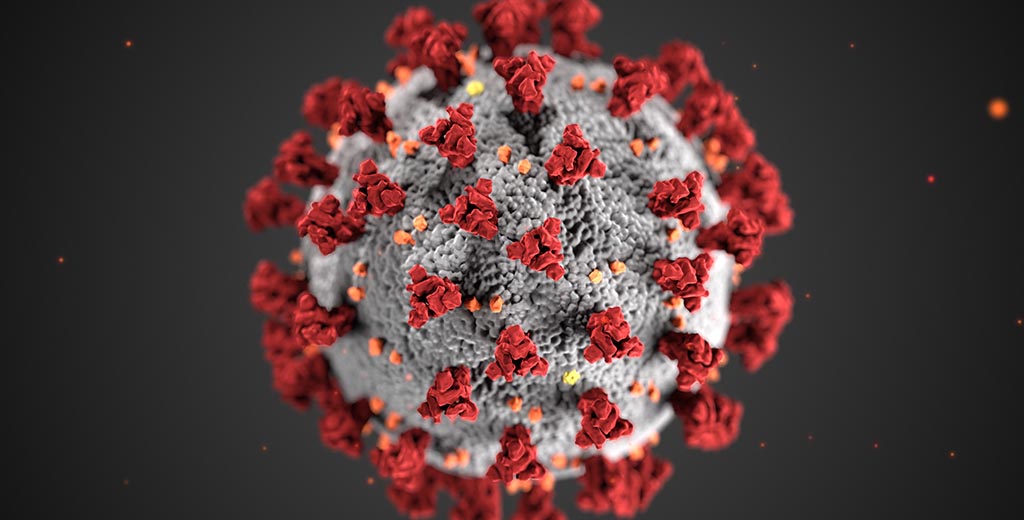
- an infective agent that typically consists of a nucleic acid molecule in a protein coat, is too small to be seen by light microscopy, and is able to multiply only within the living cells of a host
- Example: an infection or disease caused by a virus
- fr: virus
- software
- noun
- the programs and other operating information used by a computer
- Example: the software industry
- fr: logiciel

- Engineering
- noun
- the branch of science and technology concerned with the design, building, and use of engines, machines, and structures
- Example: the work done by, or the occupation of, an engineer
- fr: ingénierie

- Pharmacology
- noun
- is a branch of science that deals with the study of drugs and their actions on living systems - that is, the study of how drugs work in the body (sometimes referred to as 'drug actions)
- Example: Cardiovascular Disease. Clinical and Experimental PHARMACOLOGY and Physiology
- fr: pharmacologie

- Veterinary
- noun
- elating to the diseases, injuries, and treatment of animals
- Example: a veterinary nurse
- fr: vétérinaire

- Physiotherapy
- noun
- the treatment of disease, injury, or deformity by physical methods such as massage, heat treatment, and exercise rather than by drugs or surgery; physical therapy
- Example: care will also include Occupational health, physiotherapy, Speech therapy and Portage
- fr: physiothérapie

- Geology
- noun
- the science that deals with the earth's physical structure and substance, its history, and the processes that act on it
- Example: the geology of the surface of Mars
- fr: géologie

- Dentistry
- noun
- the treatment of diseases and other conditions that affect the teeth and gums, especially the repair and extraction of teeth and the insertion of artificial ones
- Example: advances in modern dentistry
- fr: dentisterie

- Astronomy
- noun
- the branch of science which deals with celestial objects, space, and the physical universe as a whole
- Example: traditional concepts such as mechanics, optics, astronomy, and planetary motion
- fr: astronomie

- Biotech
- noun
- technology or industrial processes using living things such as cells and bacteria, especially in order to produce medical treatments
- Example: It's an expensive process and consumers worry that BIOTECH companies just want to make a profit
- fr: biotechnologies

- laboratory
- noun
- a room or building equipped for scientific experiments, research, or teaching, or for the manufacture of drugs or chemicals
- Example: pepsin can be extracted in the laboratory
- fr: laboratoire

- cell
- noun
- the smallest structural and functional unit of an organism, typically microscopic
- Example: the human body is composed of a multiple of cells
- fr: cellule

- electricity
- noun
- a form of energy resulting from the existence of charged particles (such as electrons or protons), either statically as an accumulation of charge or dynamically as a current
- Example: atomic processes and some useful concepts in electricity
- fr: électricité
- bacteria
- noun
- a member of a large group of unicellular microorganisms which have cell walls but lack organelles and an organized nucleus, including some that can cause disease
- Example: natural products that are produced by bacteria
- fr: bactérie
